Marxist and Postmodernism Analysis

"A Girl and a Dog on a Friday Night" by Kelly Ward
Book Cover Author Kelly Ward

Read-along Guide

Read-along Guide Image

Overview of Marxist Literary Criticism

Karl Marx Class Struggle

Story Summary

The story follows Rachel, a working-class mother, over an evening as she picks up her daughter Luca and deals with her partner Travis's absence due to work.

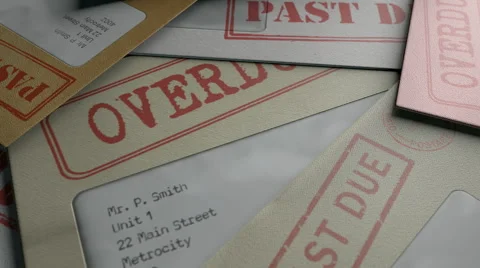
Their economic struggles are evident through their aging car, small apartment, and Travis's need for overtime.

Rachel grapples with the challenges of single motherhood while navigating a system that commodifies love and labor.

Mother and Child

Marxist Analysis

Socioeconomic Conditions & Class Struggle

Cramped Apartment Bills Piling Up

Ideology & Commodification of Love

Distant Couple Commodification of Love

Intersection with Feminist Analysis

The story also explores how gender intersects with socioeconomic conditions, highlighting the double bind of patriarchy and capitalism.

Rachel's anxieties and constrained choices as a single mother reflect the emotional toll of intersecting oppressive systems.

Her fear for Luca's future is inextricable from their class position and the gendered expectations placed on Rachel as a mother.

Stressed Single Mother Gender Inequality

Evaluating the Marxist Lens

Marxist criticism powerfully illuminates class struggles in the story but may not capture all complexities.

An intersectional approach that considers how class interacts with gender, race, and other identity categories can provide a fuller understanding.

The story's vivid details of the characters' material conditions make it particularly well-suited to a Marxist analysis.


Intersectionality Diverse Hands Critical Thinking

Postmodernism

  • Criticism of how society views and treats different experiences/things.
  • Questions how people live their lives.
  • Believes that you have to take control of your life and live it how you want.
Question Mark Icon

Rachel Feels Trapped in Her Life

  • Travis often doesn't come home, leaving Rachel overwhelmed.
  • She has no time for important tasks other than caring for Luca.
  • Rachel wants to take back control but her attempts don't work.
Clock Icon
Overwhelmed Icon

Rachel Tries to Take Back Control

  • Frequent flashbacks show how she ended up in her situation.
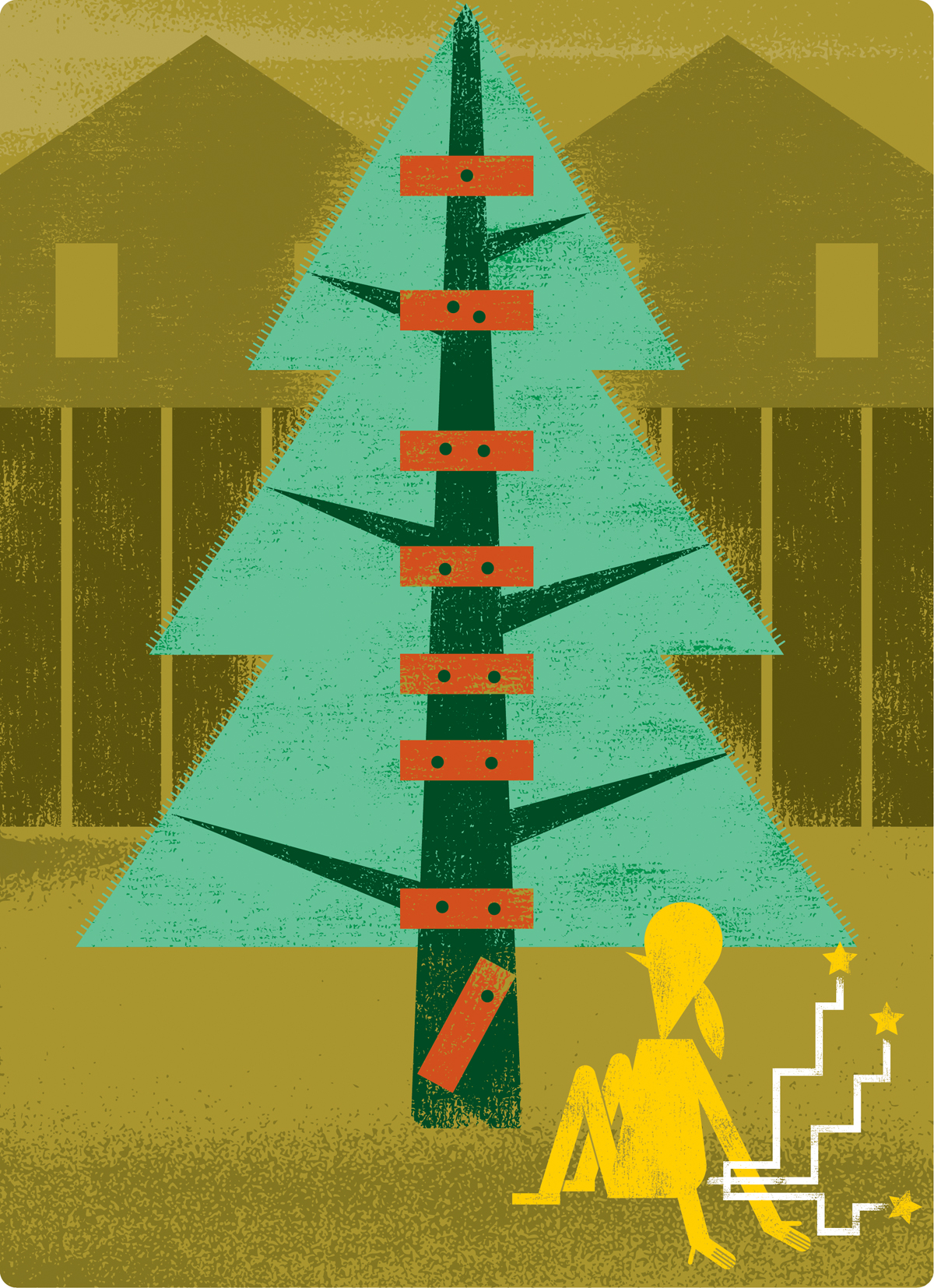
  • Screw metaphor shows Rachel was stuck from the beginning.
  • She never received guidance due to societal expectations.
  • Takes risks (car, crayon) out of frustration.
Illustrative Image

Minds On Questions

  1. How might this story be viewed through a feminist lense? Would it be similar or different from the two perspectives we talked about?
  2. How might Rachel have more control over her life if Travis worked near their home? Would it encourage her to embrace more of a modernist view of her life?
  3. How does Ward use vivid sensory details to convey the harsh realities of working-class life?
  4. What do specific descriptions of Rachel's car, home, and environment reveal about her socioeconomic status?

Thank You!